A cooling tower is a system used to remove heat from a building, or industrial process, by evaporating a small portion of the circulating water into the atmosphere. The cooled water is then recirculated through heat exchangers to absorb more heat, creating a continuous cooling effect. Cooling towers are commonly used in commercial buildings, manufacturing, data centers, and industrial process cooling.
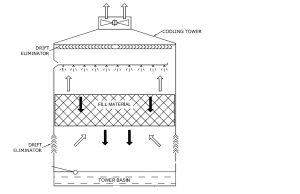
Because cooling towers are open to the atmosphere, they are at risk of contamination and water quality issues. As water evaporates, the minerals and contaminants remain in the system and become more concentrated over time.
The four main issues that must be managed in a cooling system are:
- Corrosion
- Scaling
- Biological Growth
- Fouling
Failure to control these issues can lead to reduced system efficiency, equipment damage, increased operating costs, and health and safety risks.
Corrosion
The presence of oxygen, heat, and dissolved salts in open recirculating systems can lead to corrosion of metal surfaces such as steel pipework, heat exchanger tubes, and tower structure components. Excessive corrosion will reduce the plants longevity, leading to early and costly replacement.
Corrosion is controlled using corrosion inhibitors, such as Anodic, Cathodic, or a combination of both, which form protective films on metal surfaces to prevent attack, as well as other methods such as the use of sacrificial anodes.
Scaling
As evaporation occurs in a cooling tower, minerals such as calcium carbonate become more concentrated. When their saturation limit is reached, they deposit as scale on heat transfer surfaces.
One of the main concerns with scale is that it acts as an insulating layer on heat transfer surfaces.
Even 1 mm of scale can reduce heat transfer efficiency by up to 20%, leading to increased energy usage and reduced cooling capacity.
Scale is controlled through:
- The use of chemical anti-scalants and dispersant polymers.
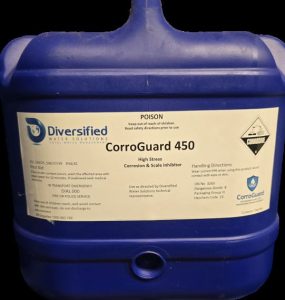
These chemicals interfere with the crystal structure of hardness salts, inhibiting their ability to form scale layers on the heat transfer surfaces.
- Bleed-off (controlling cycles of concentration)
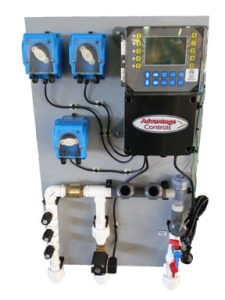
Bleed off is a function of the cooling towers automatic dosing unit. The controller is programed with an upper limit for total dissolved solids (TDS), and upon reaching this target, the bleed solenoid valve is opened to send a small portion of recirculating water to drain, which in turn causes more mains water to refill the tower. This action dilutes the overall TDS levels in the tower water, and when the levels reach the programmed lower limit, the valve is then closed.
- Monitoring of calcium hardness, alkalinity, and conductivity
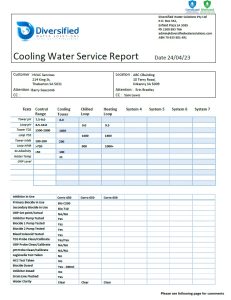
A water treatment service program that includes weekly to monthly analysis of cooling water—covering pH, total dissolved solids (TDS), alkalinity, temperature, and corrosion inhibitor levels—together with routine inspections of chemical dosing equipment, is essential for maintaining a system free from scale formation.
Biological Growth
Cooling towers provide the ideal environment for microbial growth due to warm temperatures, oxygen, sunlight, and nutrients. Bacteria, algae, fungi, and protozoa can colonize wetted surfaces and form biofilm.
Biofilm is a major concern because:
- It insulates surfaces worse than scale
- It can harbor harmful pathogens, including Legionella
- It can cause under-deposit corrosion
Biological control is achieved through a biocide program.
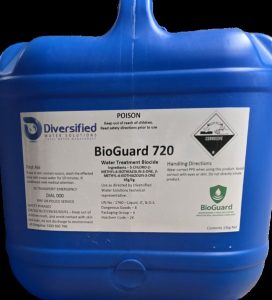
Biocides consist of both oxidizing biocides (e.g., chlorine, bromine, PCA), and non-oxidising biocides (e.g.,isothiazolinones, glutaraldehyde, quaternary ammonium compounds)
A good water treatment program will include the use of duel biocides, typically one non-oxidising and one oxidising) The product selection, frequency and dosage of each product, will be determined by a number of factors such as water chemistry, volume, holding time index and results from routine bacteria testing.
Fouling
Fouling occurs when suspended solids such as dust, rust, silt, organic matter, or debris accumulate within the system. Fouling can clog strainers, reduce flow rates, and provide surfaces for bacteria to colonize.
Fouling is minimized through:
- Proper tower housekeeping, such as routine tower cleaning
- Filtration and side-stream filtration systems where required
- Regular system inspection and maintenance
- Correct design to maintain minimum flow rates
- Maintaining low corrosion rates and biological activity
System Management Requirements
A well-managed cooling tower program should include:
- Regular water analysis
- Consistent biocide dosing
- Bleed control to maintain target conductivity and cycles of concentration
- Periodic physical cleaning and disinfection
- Compliance with local regulatory requirements, particularly regarding Legionella risk management
Summary – Cooling Water Systems
Cooling towers are essential for efficient heat removal in many commercial and industrial processes. However, because they are open evaporative systems, they require active management to prevent:
- Corrosion of the plant
- Scaling and fouling of the plant
- Increased risk of bacterial biofilm and legionella
- Non-compliance of regulatory and quality requirements
A properly applied water treatment program reduces risk, maximizes efficiency, extends equipment life, and ensures compliance with safety and environmental standards