Cooling tower systems are open recirculating systems, meaning that the circulating water is exposed to the atmosphere. Dust, air pollution, dirt, organic matter, corrosion products, and debris can all enter the system and accumulate over time. These suspended solids settle within pipework, heat exchangers, tower basins, and low-flow areas, and provide surfaces for bacteria to colonize.
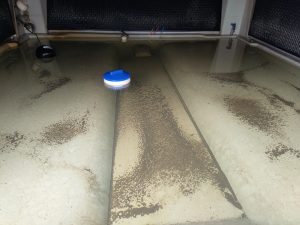
Effective filtration is essential to maintaining water quality, improving system efficiency, and preventing fouling and microbiological growth.
Why is Filtration is Important?
If suspended solids are not removed, they can lead to:
- Fouling Reduced flow and heat transfer capacity
- Biofilm formation Increased Legionella and microbial risk
- Under-deposit corrosion Accelerated corrosion under sludge layers
- Clogging of strainers and nozzles Reduced system performance and uneven tower wetting
- Increased chemical usage Treatment chemicals consumed by contaminants
Filtration helps maintain stable system performance, improves heat transfer efficiency, and supports chemical treatment programs.
Types of Filtration Used in Cooling Towers
- Basket / Y-Strainers (Screen Filtration)
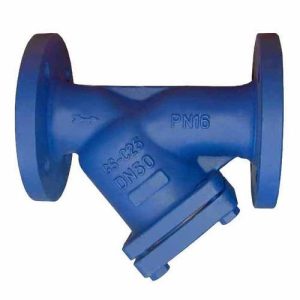
Y strainers are installed in-line to catch large debris such as:
- Leaves
- Rust scale
- Plastic fragments
- Tower drift carryover solids
They prevent debris from reaching pumps and heat exchangers.
Advantages:
- Simple to install and operate
- Low maintenance cost
Maintenance Requirement:
- Must be opened and cleaned regularly
- If neglected, they block, causing pressure drop and reduced flow
- Cyclone (Hydrocyclone) Separators
Cyclone separators remove heavier solids by spinning water inside a conical chamber, using centrifugal force to separate solids from water.
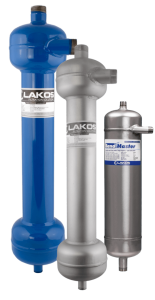
Best for:
- Sand
- Silt
- Rust flakes
- Grit and heavy particulate
Advantages:
- No moving parts
- Low maintenance
- Works continuously
Limitations:
- Not effective for very fine particles or biological material
- Maintenance Requirement:
- Periodically flush solids collection chamber
- Check pressure drop to confirm proper function
- Side-Stream Filtration Systems
Side-stream filters clean a portion of the circulating water (typically 5–20% of the total flow) continuously, and are used to remove fine suspended solids that cause fouling and biofilm formation. They typically pump water from the tower drain line, through the filter media, and then returns the filtered water back to the tower basin.
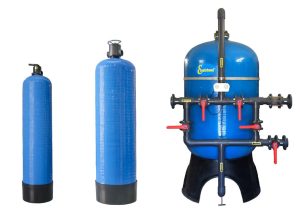
Common media:
- Sand filters
- Multimedia filters (graded sand, gravel, garnet)
- High-efficiency cartridge filters
Advantages:
- Constant removal of fine particles
- Improves chemical treatment efficiency
- Reduces biofilm growth and corrosion risk
Maintenance Requirements:
- Backwash filters according to differential pressure rise or schedule
- Monitor system flow across the filter
- Inspect media condition periodically (every 1–3 years depending on load)
Filtration maintenance is critical to maintaining correct system levels. Issues such as stuck solenoid valves can result is excessive water losses and low chemical levels.
Typical periodical maintenance can include
Y strainers – Remove, clean, and reinstall screens Prevent flow restriction & pump strain
Cyclone Separators – Flush solids collection bowl Prevent solids buildup and blockage
Side-Stream Filters – Backwash/replace media or cartridges Maintain filtration efficiency
Neglecting filtration maintenance will result in reduced system performance, increased fouling, and higher microbial risk, even if chemical treatment is otherwise correct.
Summary – Filtration in cooling water systems
Filtration is a key component of cooling tower system management.
It works together with chemical treatment to control:
- Fouling
- Biological growth
- Corrosion under deposits
Y Strainers good at large debris Simple, must be cleaned regularly
Cyclone Separators are good for heavy particles (sand, grit, rust) No moving parts, requires periodic purge
Side-Stream Filters excel at removing fine suspended solids Improves overall system cleanliness & treatment performance
A well-maintained filtration system improves heat transfer, reduces energy and water costs, and extends plant life.