Steam boilers are used to convert water into steam through the application of heat. The steam produced is utilised for heating, sterilisation, power generation, and a wide range of industrial processes. Because boilers operate under high temperature and pressure, effective water treatment is essential to ensure safe operation, maintain efficiency, and protect both the boiler and the steam system.
As water is converted to steam, pure steam leaves the boiler while dissolved solids remain behind. This causes minerals and impurities within the boiler to become progressively more concentrated. Without proper control, this concentration leads to scale formation, corrosion, carryover of boiler water into the steam system, and sludge accumulation.
Key Issues in Boiler Water Systems
The main risks in boiler systems are:
- Scaling
- Corrosion
- Carryover (Foaming / Priming)
- Sludge Accumulation
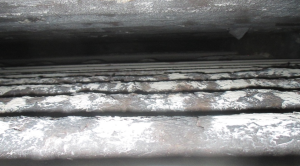
Scaling
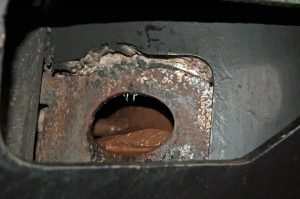
Scale forms when dissolved minerals—primarily calcium and magnesium—exceed their solubility limits at elevated temperatures. These minerals precipitate and deposit on boiler heat transfer surfaces, forming an insulating layer that significantly reduces heat transfer efficiency.
In certain feedwater conditions, silica can also form scale on heat transfer surfaces. Silica scale is particularly problematic and may require acid cleaning using highly hazardous chemicals.
Even small amounts of scale can have serious consequences. As little as 1 mm of scale can reduce boiler efficiency by 5–10%, resulting in:
- Increased fuel consumption
- Higher operating temperatures and pressures
- Increased risk of tube overheating and failure
Methods used to control scale include the following:
- Softening of makeup water where required
- Internal chemical treatment using phosphates, tannins, ATMP, or polymer dispersants
- Regular and controlled blowdown to remove concentrated solids
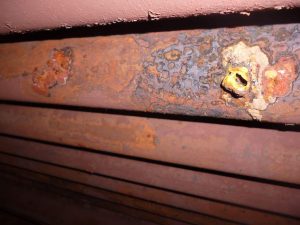
Corrosion
Corrosion in boiler systems can occur in:
- The boiler itself
- Feedwater systems
- Condensate return lines
Common causes of accelerated corrosion can include:
- Dissolved oxygen
- Low pH (acidic conditions)
- Under-deposit corrosion caused by scale or sludge covering metal surfaces
Common corrosion control methods include the following:
- Use of oxygen scavengers (e.g. sodium sulfite or DEHA)
- Maintaining appropriate alkalinity to protect steel surfaces
- Condensate treatment with neutralising amines (e.g. morpholine, cyclohexylamine, DEHA)
- Keeping the system clean and free from sludge and deposits
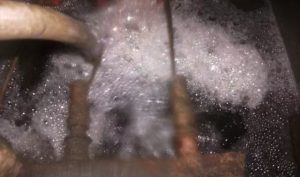
Carryover (Priming and Foaming)
Carryover occurs when boiler water droplets are entrained in the steam and carried into the steam system. This typically results from excessive dissolved solids or contamination by oils and organic matter.
Problems associated with carryover include:
- Wet steam
- Product contamination
- Damage to steam valves and traps
- Water hammer and increased mechanical stress
Common carryover control practices includes:
- Maintaining correct boiler TDS and conductivity levels
- Use of antifoam agents where required
- Performing controlled and regular blowdown
- Maintaining appropriate feedwater temperature
Sludge Accumulation
Sludge consists of suspended solids, corrosion products, and precipitated hardness that settle at the bottom of the boiler. If not effectively removed, sludge can interfere with heat transfer, cause localised overheating, and lead to tube failure.
Common sludge control methods include:
- Routine bottom blowdown (daily or as required)
- Use of dispersants to keep solids suspended until removed via blowdown
- Physical cleaning of boiler internals during annual inspections
Boiler Water Treatment Program
An effective boiler water treatment program typically includes the following:
- Oxygen scavenger – removes dissolved oxygen and prevents pitting
- Alkalinity builder (caustic) – maintains pH to protect steel surfaces
- Scale inhibitor / dispersant – prevents precipitation and deposit formation
- Tannin or polymer conditioner – forms protective films and conditions sludge
- Condensate amine treatment – protects condensate piping from carbonic acid corrosion
- Blowdown control – removes concentrated solids and prevents carryover
Monitoring and Testing Requirements
A comprehensive water treatment program includes regular service visits during which feedwater, boiler water, and condensate are analysed to confirm correct chemical control.
Common tests include:
- Feedwater hardness and softener performance
- Boiler total dissolved solids (TDS)
- Hydroxide alkalinity
- Feedwater temperature
- Oxygen scavenger residuals (tannin, sulfite, DEHA)
- Scale inhibitor levels
- Condensate pH and TDS
During service visits, chemical dosing equipment is also inspected to ensure correct operation and chemical tanks are refilled as required.
In addition to professional testing, best practice requires routine in-house testing by site personnel. While less detailed, the following checks should typically be performed:
- Boiler TDS – daily
- Feedwater hardness – daily
- Softener salt levels – weekly
- Manual boiler blowdown – up to three times daily, as required
Module Summary – Steam Boilers
Steam boilers operate under high temperature and pressure, making effective water treatment essential for safe operation, efficiency, and asset protection. As steam is produced, dissolved solids concentrate within the boiler, creating the risk of scale formation, corrosion, carryover, and sludge accumulation.
A comprehensive boiler water treatment program combines correct chemical treatment, controlled blowdown, regular monitoring, and routine maintenance to manage these risks. Ongoing testing and operational discipline are critical to maintaining performance, preventing failures, and extending the life of the boiler and steam system.
A consistent treatment program increases boiler life, improves energy efficiency, and ensures safe and reliable operation.